About
Beyond assumptions. Beneath the numbers. Closer to the truth.
Every number tells a story. But not every story tells the whole truth.
Our story: why Berean?
Why Berean?
The Berean Way
- Examine rigorously.
- Understand deeply.
- Learn continuously.
- Act purposefully.
Evidence is valuable only when it deepens understanding and changes a decision. Everything we do is built around that test.
Our name comes from the ancient Bereans, who welcomed new ideas with open minds and then examined them carefully to establish the truth. Curiosity, integrity and the patience to check for ourselves: those are the habits we work by.
Numbers rarely tell the whole story. Behind every indicator are people, places and circumstances, and a finding that ignores them is not finished.
Through Monitoring, Evaluation, Research and Learning (MERL), we help organisations go beyond reporting results to understanding what works, for whom, under what conditions and why.
We work with governments, development organisations and their partners to design monitoring systems people actually use, run research and evaluations that hold up under scrutiny, build the skills to generate evidence in-house, and make learning part of how decisions get made.
Our value is making complex evidence credible, clear and usable, so that clients can demonstrate results, strengthen accountability, improve programmes and make strategic and investment decisions with confidence.
Our purpose is simple: to turn data into understanding, evidence into better decisions, and learning into lasting change.
The name
The Bereans checked for themselves.
“They received the message with great eagerness and examined the evidence every day to see whether it was so.”
The name Berean Metrics Consultancy connects the principles of the early Bereans (diligent inquiry, critical examination, openness to learning and commitment to truth) with the professional disciplines of Monitoring, Evaluation, Research and Learning.
Acts 17:11 describes the Bereans as people who received teachings with openness but carefully examined the Scriptures to establish whether what they heard was true. We do not simply accept assumptions or report results; we critically examine evidence, ask meaningful questions, test what works and translate findings into informed action.
That is what we want to be known for: evidence used to tell the truth, including when it is inconvenient, late, or smaller than the programme hoped.
Our roots are faith-inspired; our practice is open to all. The principles of critical inquiry, evidence integrity, intellectual openness and purposeful learning serve secular, faith-based and international development partners alike.
Our guiding principles
The Berean approach.
- 01
Question with Purpose
Every assignment starts with the question that matters most, not the one that is easiest to measure. We test the assumptions a programme is built on before we measure its results.
- 02
Examine with Rigour
Methods chosen to fit the question, ethics built in from the start, and limitations reported as plainly as findings. If a result will not survive scrutiny, we say so before anyone relies on it.
- 03
Learn with Openness
The people closest to a programme often know something the data does not. We listen to them, weigh competing explanations, and change our minds when the evidence does.
- 04
Act with Impact
A finding nobody can use is unfinished. We turn evidence into a short list of decisions, owners and next steps, written for the people who have to act.
The Berean approach to MERL
Philosophy and practice, in step.
The same inquiring habit runs through each of the four disciplines.
| MERL discipline | Berean-inspired approach |
|---|---|
| Monitoring | Track the few things that matter, notice when patterns change, and flag where action is needed before the annual report does. |
| Evaluation | Judge performance, effectiveness and impact on evidence that would satisfy a sceptical reader. |
| Research | Ask the question properly, test the assumption behind it, and add something new to what is known. |
| Learning | Make reflection a routine rather than an event, so that what a team learns changes what it does next. |
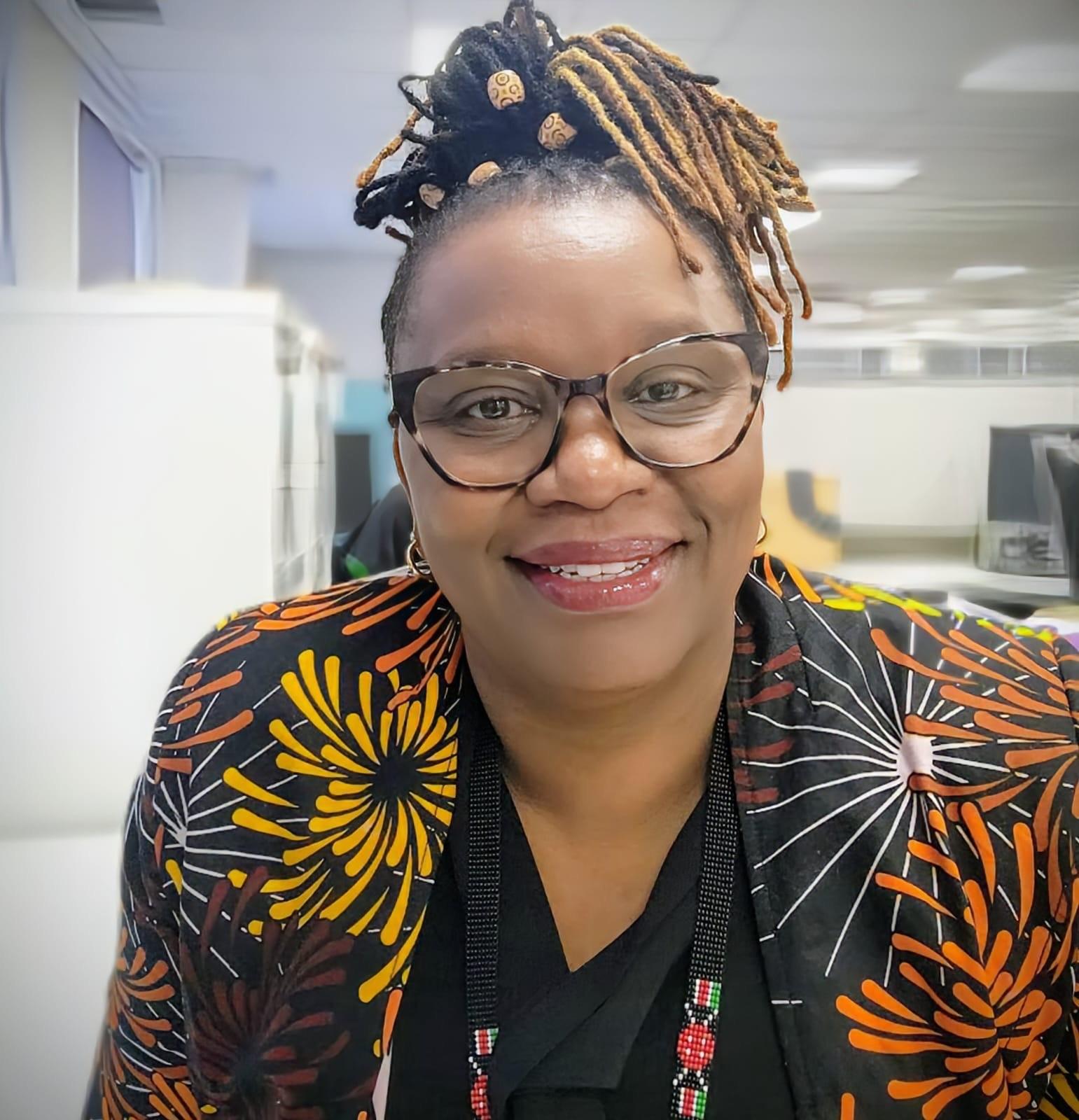
Meet our founder
Dr Ann Munene, PhD
Founder and Principal ConsultantLinkedIn
Twenty years of finding out what is actually working, and saying so plainly.
40+
Countries where she set up MERL systems, across multiple projects
28
Countries supported to adopt digital programme-quality monitoring systems
300+
Technical staff trained globally
20+
Years in measurement, research and evaluation
Dr Munene led the adoption of a digital quality-monitoring platform across 28 countries, connecting implementation quality with programme outcomes to close the evidence-to-action loop and drive continuous programme improvement.
Dr Ann Munene is a Monitoring, Evaluation, Research and Learning (MERL) leader with more than 20 years of experience in programme quality, evidence generation, accountability and organisational learning, across international development and humanitarian settings.
She has supported programmes in more than 40 countries across Africa, Asia and Latin America. Her work has spanned research and evaluation, global MERL systems, digital monitoring, evidence translation, adaptive management and building the skills of the teams who run them.
That work was carried out within larger organisations, and the credit for it belongs to those organisations and the teams she worked alongside.
One principle runs through all of it: evidence is worth collecting only if it informs a decision, improves practice or changes something for the people a programme serves.
Ann founded Berean to close the gap between generating evidence and using it. Her aim is research and evaluation that is technically credible and practically useful, both to the organisations that commission it and to the communities it describes.
As Founder and Principal Consultant, she brings the questions programme teams and leaders keep returning to into every engagement: What is working? For whom? And how can it be improved?
She specialises in research and evaluation design, quantitative and qualitative analysis, evidence synthesis and learning agendas, and in turning complex findings into clear conclusions people can act on.
She holds a PhD in Educational Measurement, Research and Evaluation.
Qualifications
PhD, Educational Measurement, Research & Evaluation
Master’s degree, Educational Research & Evaluation
Selected publications
- Thomson, Hillman, Wernert, Schmid, Buckley & Munene (2012). Monitoring Australian Year 4 student achievement internationally: TIMSS and PIRLS 2011.
ACER
- Thomson, Hillman, Wernert, Schmid, Buckley & Munene (2012). Highlights from TIMSS & PIRLS 2011 from an Australian perspective.
ACER
Gardsbane, D., & Munene-Kabanya, A. (2010). LIVING: Skills for Life, Botswana’s Window of Hope. Process evaluation final report.
EnCompass LLC and the Ministry of Education and Skills Development, Botswana
Tell us the decision you are trying to make.
That is the whole first conversation. Thirty minutes, free, and you will know whether we should work together.
- We reply within two working days
- References available on request
- No obligation, no pitch deck
- NDA signed before you share anything