Skip to content
Berean MetricsConsultancy

Services

What we do, and how we work.

Five practice areas: Monitoring, Evaluation, Research, Learning and Strategic Advisory. One consistent working method behind all of them.

One consistent method

Start with the decisions that need to be made, build the smallest system that provides the answers, and equip clients with the tools and processes to put those decisions into practice.

01

Monitoring

Staff and volunteers in high-visibility vests working at long tables, sorting and recording supplies.

Track the few things that matter, notice when patterns change, and flag where action is needed before the annual report does.

Monitoring earns its keep only when it changes decisions. We work back from what your teams, partners and donors need to decide to the fewest indicators, tools and routines that answer it, then build the data collection, quality checks and dashboards to run it.

02

Evaluation

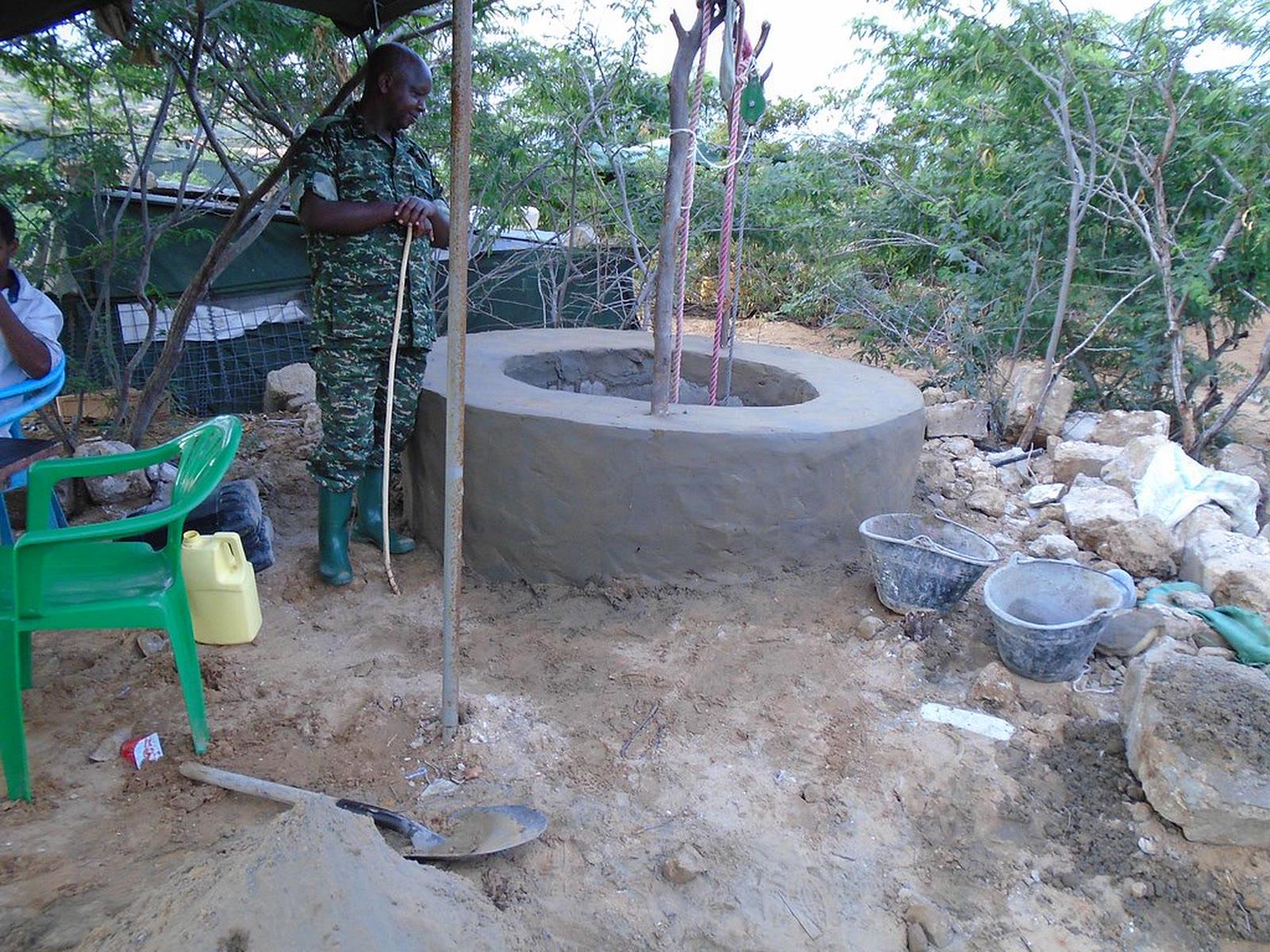
A newly built well head under construction at a village water point.

Judge performance, effectiveness and impact on evidence that would satisfy a sceptical reader.

We design baseline, midline, endline, process and impact evaluations that fit the question and hold up under scrutiny, using mixed methods, quasi-experimental designs or qualitative depth as the question demands. Findings are framed against the OECD-DAC criteria, with limitations stated as plainly as results.

03

Research

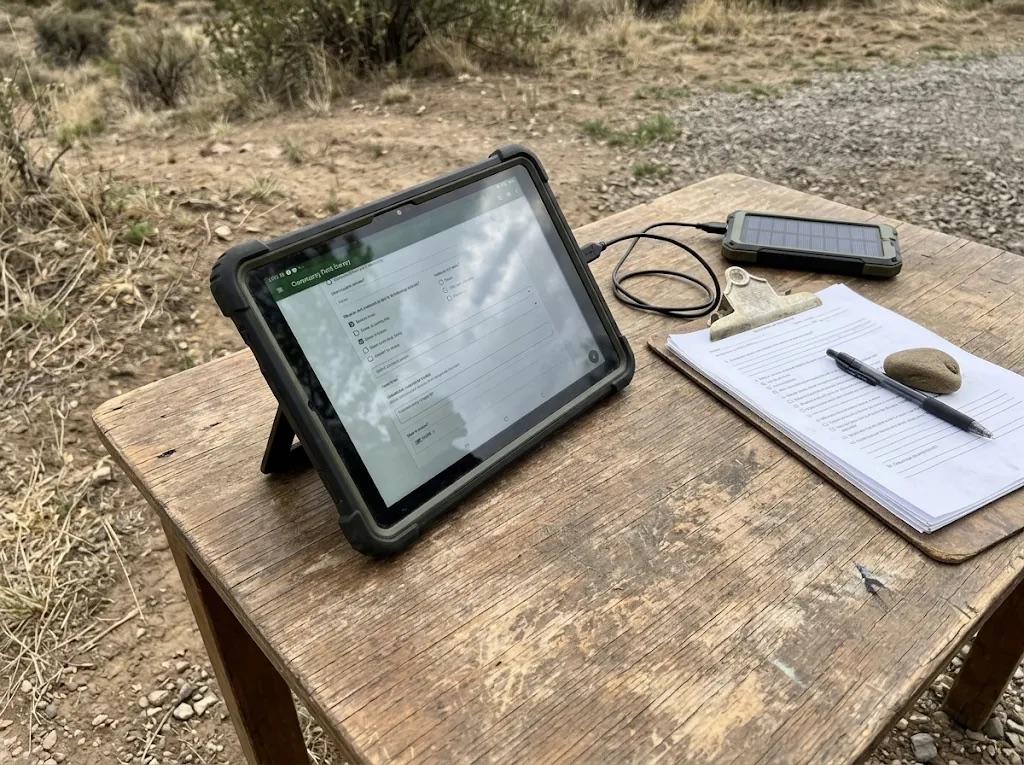
A hand writing notes in a squared notebook, close up.

Ask the question properly, test the assumption behind it, and add something new to what is known.

We help you frame a question worth asking, choose the design that can answer it and analyse the results honestly. Our grounding is measurement, research & evaluation, so instrument design, sampling and statistical analysis sit alongside the qualitative inquiry that explains what the numbers cannot.

04

Learning

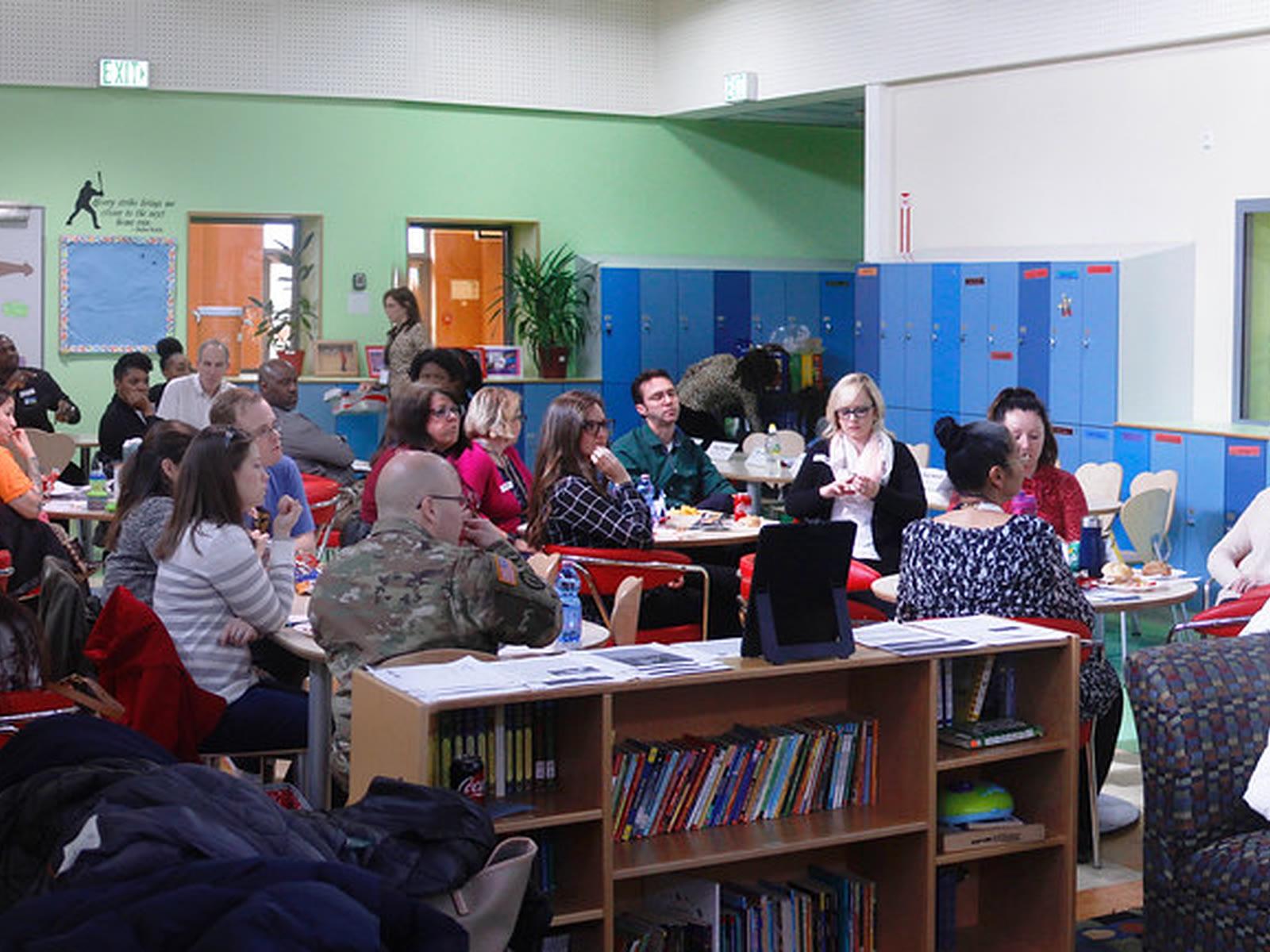
A full training room of participants working at tables during a workshop session.

Make reflection a routine rather than an event, so that what a team learns changes what it does next.

Evidence changes practice only when people have the time, skills and habit to use it. We build learning agendas, reflection routines, training and coaching that leave teams able to own their data and keep improving.

05

Strategic Advisory

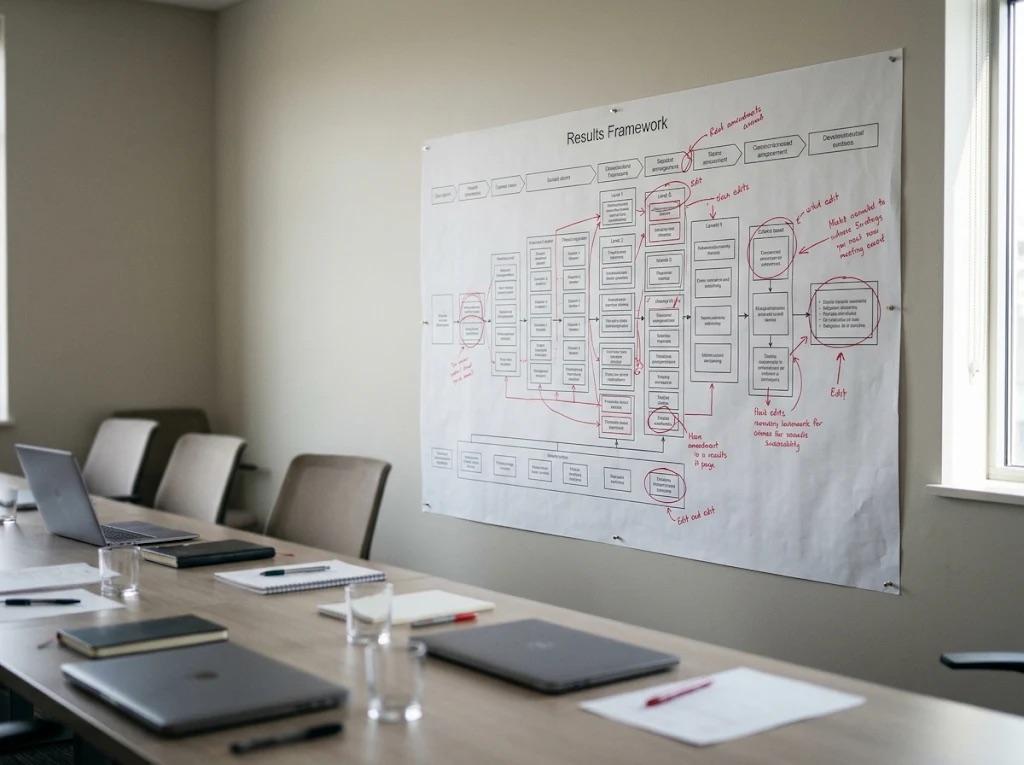
An open notebook, pencil and ruler on a clean desk beside a laptop.

Strategic MERL guidance for leaders deciding where to invest, what to scale and what to stop.

We advise leaders on structuring MERL across a portfolio, commissioning evaluations worth the money and using evidence in strategy and investment decisions. We also help specify, redesign or rescue monitoring platforms, with the data governance that makes results defensible.

Who we serve

For organisations that answer for results.

  • International NGOs

    Global and country offices that need MERL systems their teams will actually use, and evidence their donors will trust.

  • Donors and foundations

    Funders who want independent evaluations, portfolio reviews and learning agendas that show where their money is working.

  • Governments and public agencies

    Ministries and agencies that need findings written for the people who have to act on them, not for the archive.

  • Community organisations

    Local partners building the systems and skills to tell their own story, with their own evidence.

Standards and Principles that Guide our Work

Our work is guided by internationally recognised evaluation standards, ethical research principles and good practices in development and humanitarian programming.

  • OECD-DAC Evaluation Criteria and Quality Standards
  • UN Evaluation Group (UNEG) Norms and Standards
  • Utilisation-Focused and Participatory Evaluation
  • Core Humanitarian Standard (CHS)
  • Accountability to Affected Populations (AAP)
  • Gender Equality, Disability and Social Inclusion (GEDSI)
  • Research Ethics, Informed Consent and Do No Harm
  • Child Safeguarding and Ethical Research with Children
  • Data Protection, Confidentiality and Responsible Data Management
  • Methodological Rigour, Data Quality and Transparency
  • Human Rights-Based and Conflict-Sensitive Approaches
  • Evidence Use, Organisational Learning and Adaptive Management

Working together

Four ways engagements usually start.

Most work starts as one of these and grows. If none fits, say so and we will shape one that does.

Diagnostic

2 to 3 weeks

An honest read of your MERL system: what it costs, what it answers, what it misses. You get a prioritised list of fixes.

Best for: Teams who suspect their system is heavy but cannot prove it

System build

6 to 12 weeks

Theory of change, indicators, tools and dashboards, then training and handover to the team that will run it.

Best for: New programmes, or a redesign before a scale-up

Evaluation

8 to 16 weeks

Baseline, midline, endline or impact evaluation, reported against the OECD-DAC criteria, with limitations stated as plainly as findings.

Best for: Decision points: renewal, scale-up, or a public account

Retained advisory

Ongoing, monthly

A standing day or two a month of strategic MERL leadership: reviewing data, coaching focal points, keeping the system honest.

Best for: Organisations without a senior MERL post of their own

Tell us the decision you are trying to make.

That is the whole first conversation. Thirty minutes, free, and you will know whether we should work together.

  • We reply within two working days
  • References available on request
  • No obligation, no pitch deck
  • NDA signed before you share anything